

Table of Contents
Understanding Yard Drainage Challenges
At Helical Technology, we recognize that poor yard drainage in sloped areas often leads to frustrating issues like rainwater pooling near your home’s foundation, causing soil erosion and water infiltration. This backyard water management challenge disrupts outdoor runoff control, resulting in saturated soils that threaten structural integrity in residential and commercial properties.
Yard drainage involves managing surface and subsurface water flow to prevent problems such as slope instability and hydrostatic pressure buildup. These forces can crack walls and cause uneven settling, as highlighted in Fairfax County resources on runoff drainage control, where erosion impacts affect up to 40% of urban landscapes during heavy rains. See runoff drainage control for details. Our ICC-certified foundation repair solutions, including sump pumps and diverts & drains from our water management lineup, provide reliable waterproofing to safeguard against these damages.
This guide previews essential steps for assessment, planning french drain installation, and implementing landscape drainage solutions while ensuring code compliance. We emphasize consulting our network of structural engineers for tailored advice before beginning, setting the stage for effective problem-solving.
Preparing for Your Yard Drainage Project
We recommend thorough preparation to ensure your yard drainage project succeeds without complications. Begin with a comprehensive site evaluation to identify potential issues and plan effective interventions. This step sets the foundation for reliable landscape drainage solutions that protect your property long-term.
Site Evaluation
Assess your yard’s soil type, slope, and water flow patterns to understand how water accumulates and moves across the terrain. For instance, clay soils retain moisture longer than sandy ones, influencing drainage needs. Observe during rain to map runoff paths, measuring slopes with a simple inclinometer or string level for accuracy—aim for at least a 2% grade away from structures. In yard drainage planning, note areas prone to pooling near foundations, where professional input from our network of structural engineers can integrate helical piers for stabilization. This evaluation, informed by soil tests as per IRC guidelines, prevents future erosion and ensures compliance.
Tools and Materials
Gather essential tools for safe and efficient work. For underground tasks like french drain installation, you’ll need perforated pipes, gravel, and landscape fabric to direct water away. Basic items include sturdy shovels for digging trenches (at least 18 inches deep), a bubble level to verify even grading, and measuring tapes for precise layouts. Don’t overlook budgeting: allocate funds for sump pumps to handle excess water and helical anchors if foundation support is required. We provide training resources to help contractors select ICC-certified products that meet project demands.
Safety and Permits
Prioritize safety with gear like gloves, steel-toed boots, and high-visibility vests to manage risks during excavation. Secure necessary permits early, consulting IRC foundation requirements for guidelines on property water diversion and terrain runoff management—Section R401.3 mandates grading to divert surface water from foundations, while R405 requires perimeter drains. For complex cases involving foundations, we advise consulting a structural engineer or our engineering team for project-specific guidance; installations must comply with applicable building codes and ICC-ES criteria.
Assessing Yard Drainage Issues
Assessing yard drainage issues is the essential first step in addressing water accumulation that can threaten foundations. At Helical Technology, we emphasize geotechnical principles to guide this process, helping you identify problems before they escalate into costly foundation repair solutions.
To begin your site water assessment, follow these numbered steps:
- Walk the property during or after rain to observe water flow patterns and pooling areas.
- Measure slopes using a level or app to ensure at least a 2% grade away from structures.
- Test soil percolation by digging a hole, filling it with water, and timing drainage—poor infiltration signals issues.
- Identify low spots, erosion signs, and areas near foundations where runoff concentrates.
- Mark problem areas with stakes for reference.
Exercise caution on wet ground to avoid slips.
Conducting a thorough property flood analysis prevents misdiagnosis and expensive errors, as poor drainage can erode soil and undermine stability, per Northern Virginia Soil and Water Conservation District guidelines on runoff management.
For effective tips, use smartphone apps for precise slope calculations and document findings with photos. These landscape drainage solutions enable accurate planning for fixes like french drain installation, ensuring long-term protection.
Planning Your Drainage Solution
Once the site assessment is complete, the next step is to develop a customized design for your yard drainage. At Helical Technology, we guide contractors through creating a water management products integration plan that diverts water effectively while protecting foundations. Begin by sketching a layout based on the assessment findings, incorporating yard drainage paths to route excess water away from vulnerable areas. Consider methods such as gentle swales for surface flow or underground options like french drain installation for concealed efficiency.
Calculate material needs by estimating pipe lengths, gravel volumes, and reinforcement requirements. If slopes show instability due to soil pressure, factor in helical reinforcement using our pier systems, which our design software optimizes for precise load distribution and stability.
Why it matters: Proper planning ensures efficient water diversion, prevents foundation damage, and adheres to building codes, avoiding costly rework from poor designs.
Tips: Use scale drawings for accuracy, and budget 20% extra for unforeseen adjustments. Consult our engineering resources for tailored landscape drainage solutions that enhance project success.
Installing Surface Drainage Features
Implementing surface drainage features effectively redirects water away from your home’s foundation, preventing costly damage. We recommend starting with visible solutions like swales and channels to manage overland flow diversion, especially in areas prone to heavy runoff. Helical Technology’s water diversion drains provide durable, ICC-certified options for reliable performance.
To install, follow these steps for yard drainage:
- Dig shallow trenches, 6-12 inches deep and 4-6 inches wide, along the yard’s contours to capture surface water channeling.
- Line the trenches with geotextile fabric to prevent soil intrusion.
- Add 2-4 inches of gravel for optimal filtration and stability—we suggest 3/4-inch aggregate sizing.
- Place channel drains, integrating landscape drainage solutions near foundation edges.
- Direct the flow to safe outlets like storm sewers or vegetated swales.
- Compact the soil around the installation and test water flow.
This approach reduces erosion near foundations by channeling water efficiently, protecting structural integrity and minimizing moisture buildup that could lead to cracks or settling.
For best results, check grades frequently during digging to ensure a 1-2% slope away from the building. Always use geotextile fabric under gravel layers to enhance longevity and filter debris, complying with local building codes. Consult our engineering team for project-specific guidance.
Digging and Installing French Drains
Effective french drain installation begins with marking the trench path along areas prone to water accumulation in your yard. We recommend excavating a trench 6 to 12 inches wide and 18 to 24 inches deep, sloping at 1 percent toward the outlet to ensure proper drainage. Always call 811 to locate underground utility lines before digging to avoid hazards. Lay a 2-inch bed of gravel, then position perforated pipe systems from Helical Technology atop it for optimal subsurface infiltration control.
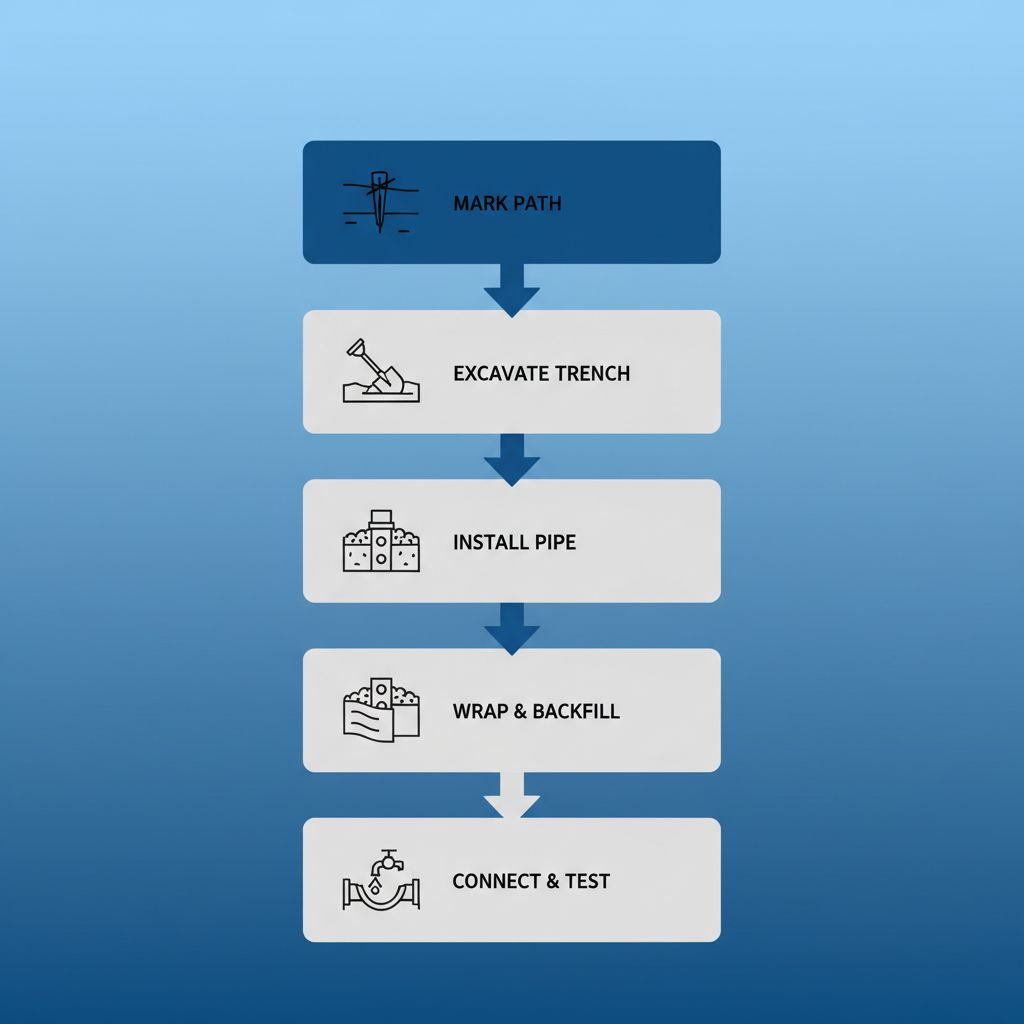
Step-by-step French drain installation for effective yard drainage
Next, wrap the pipe with landscape fabric to prevent soil intrusion, surround with additional gravel, and backfill with soil. Connect the drain to a sump or surface outlet, integrating compatible sump pumps solutions for enhanced performance; our durable cast-iron models handle up to 3,000 gallons per hour to manage heavy inflows reliably.
This yard drainage approach prevents hydrostatic pressure buildup around foundations, safeguarding structures from water damage. We advise avoiding tree roots during excavation to maintain pipe integrity and long-term efficacy in landscape drainage solutions.
Integrating Sump Pumps and Vapor Barriers
Building on effective french drain installation, integrating sump pumps and vapor barriers provides essential collection and moisture control for yard drainage systems. At Helical Technology, we offer ICC and ISO certified products designed for reliable performance in wet conditions, complementing helical pile stabilization to prevent foundation issues.
To install, position the sump basin in low areas for optimal landscape drainage solutions, securing it firmly in the excavation. Insert the pump, connect wiring to a dedicated circuit, and apply the vapor barrier as a moisture control layer over exposed soil, sealing edges with tape for airtight coverage. Link the discharge pipe to your yard drainage network, ensuring proper slope for pumped water ejection away from the structure. Finally, power up the system and test functionality to confirm efficient operation.
These measures matter because they actively mitigate mold growth and soil settling, safeguarding structural integrity in humid environments. By channeling water effectively, our foundation repair solutions enhance longevity and indoor air quality.
For safety, always use GFCI outlets for electrical connections and verify product warranties. Consult our engineering team for site-specific guidance to ensure compliance with building codes.
Incorporating Helical Piles for Stability
After addressing yard drainage issues, integrating helical piles strengthens structures against soil movement. As providers of advanced earth anchoring systems, we recommend using our ICC and ISO Certified products to reinforce foundations near drainage trenches. These helical piers, also known as foundation reinforcement anchors, screw into the ground to provide stable support, countering erosion from poor landscape drainage solutions.
To install, first identify load-bearing spots affected by water flow. Drive the piles using specialized torque tools until achieving the required depth and resistance, typically verified by torque readings that correlate to load capacity. Attach underpinning brackets to existing foundations, securing them with our repair brackets designed for boardwalks and decks, which support loads up to specified ratings per ICC-ES AC358 criteria from the International Residential Code.
This soil stabilization technique matters because it prevents settlement from erosion-induced shifts, ensuring long-term structural integrity as required by IRC Chapter 4 for foundation compliance.
For best results, hire certified installers from our network; we certify professionals through on-site training. Monitor torque during driving to confirm capacity, and always consult our structural engineers for project-specific guidance to comply with building codes.
Testing and Backfilling Your Drainage System
Once the core components of your drainage system are in place, we guide you through the essential testing and backfilling phases to confirm functionality and restore your property. Begin the system verification process by simulating rainfall with a garden hose to test yard drainage flow through pipes, channels, and outlets. Drawing from Helical Pier System protocols, employ our advanced design software for precise flow modeling, ensuring accuracy before physical checks. During french drain installation adjustments, inspect and tweak pipes or sump pumps if water pooling occurs, preventing inefficiencies.
This step matters because thorough verification confirms the system’s effectiveness, aligning with our ICC and ISO certified products to deliver reliable foundation repair solutions that protect against water intrusion and soil erosion over time.
For backfilling, refill trenches in excavated areas with soil in 6-inch layers, compacting each to promote stability and minimize settling. Implement erosion control by seeding or laying sod over disturbed zones, integrating landscape drainage solutions seamlessly. We endorse initial post-install maintenance monitoring, such as observing flow after the first rain, and consulting our network of structural engineers for any project-specific guidance to comply with building codes.
Troubleshooting Common Drainage Issues
After installing yard drainage systems, occasional issues may arise due to environmental factors or wear. At Helical Technology, we support our certified installers with comprehensive training and technical resources to diagnose and resolve these challenges effectively. Common problems often stem from heavy runoff in saturated yards, as highlighted by Fairfax County guidelines, where poor infiltration can lead to erosion and flooding. Our advanced earth anchoring systems, including helical piers, integrate seamlessly with water management solutions to mitigate soil shifts.
Identifying Common Problems
To troubleshoot yard drainage effectively, start with visual inspections and performance tests. Here are frequent issues we encounter:
- Clogs in pipes or filters: Debris buildup from leaves or sediment restricts flow, causing water pooling.
- Poor flow or slow drainage: Inadequate grading or compacted soil reduces water movement, exacerbated in areas with high clay content.
- Sump pump failures: Pumps in our waterproofing lineup may malfunction due to power issues or wear, leading to basement flooding.
- Erosion around helical piles: Shifting soils from heavy rains can undermine foundations, as noted in helical pile engineering resources.
These problems affect about 30% of installations without regular checks, per conservation district stats, emphasizing the need for proactive monitoring.
Effective Fixes and Resolution Tactics
Once identified, apply targeted issue resolution tactics. For clogs, consider french drain installation techniques, such as flushing lines with high-pressure water or using compatible cleaners from our Water Management Products. Adjust grades by re-sloping surfaces to direct water away, ensuring at least a 2% slope. Replace failed sump pumps promptly with ICC-certified units we distribute, and monitor torque on helical piles for stability in shifting soils. If erosion persists, reinforce with plate anchors or consult our network of structural engineers for custom designs. Always follow diagnostic steps: test flow rates, check electrical connections, and inspect for cracks.
Prevention Through System Upkeep Routines
Prevent recurring issues with seasonal landscape drainage solutions, like clearing debris quarterly and amending soils with compost to boost infiltration. We recommend annual professional inspections to extend system life. For complex cases, contact our technical support team at Helical Technology—consult a structural engineer for project-specific guidance to ensure compliance with building codes.
Achieving Effective Yard Drainage
At Helical Technology, we’ve guided you through assessing water issues in your property, implementing targeted solutions like landscape drainage solutions and french drain installation, and verifying results through testing. This comprehensive approach to yard drainage ensures you address pooling, erosion, and foundation risks systematically, protecting your landscape for years to come.
Our ICC and ISO Certified products, combined with engineering excellence and design support, deliver sustainable water control and durable outdoor systems. Integrated with foundation repair solutions, these advanced earth anchoring systems provide reliable stability, while ongoing maintenance keeps everything performing optimally against environmental challenges.
We invite you to contact our technical support team for custom advice tailored to your project. Leverage our real-time design software and network of structural engineers to refine your plans. Imagine a thriving, dry yard that enhances your property’s value and safety—start today for lasting peace of mind.
Resources
- Get Reliable Water Diversion and Drainage Solutions
- Explore Certified Water Management Products for Foundations
- Find Durable Sump Pumps for Effective Water Control
- Get Versatile Deck Boardwalk Brackets for Secure Attachments
- Secure Helical Pier Terminations with Expert Engineering
- Install Efficient Helical Pier Systems for Stable Foundations
- Discover Quick-Install Helical Piles for Earth Anchoring
- Learn IRC Foundation Requirements for Structural Safety
- Control Runoff Drainage with Effective Stormwater Management